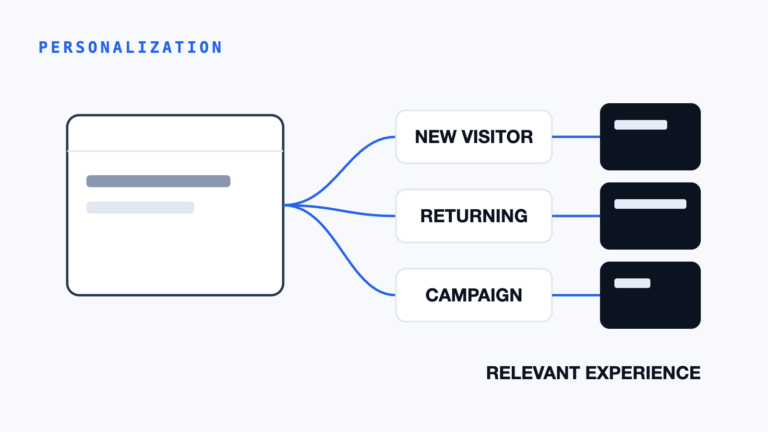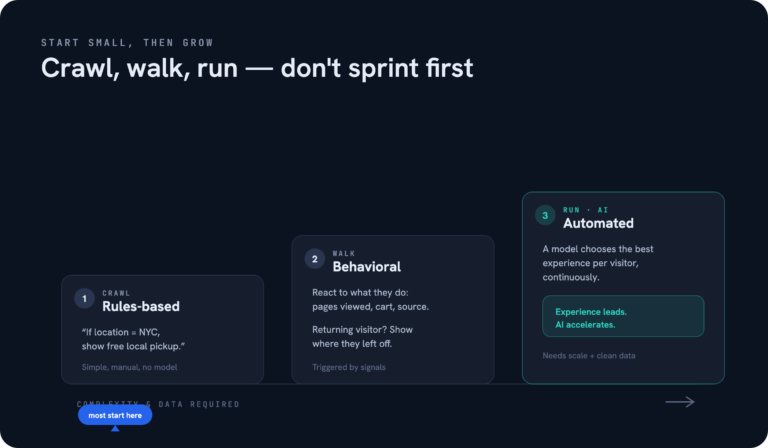
Start with the audience difference that already shows up in your data, not the flashiest technology option. Pick the one segment whose behavior genuinely diverges from everyone else, build one website personalization change for that segment, and measure it before adding a second.
Which Audience Difference Actually Deserves a Different Experience?
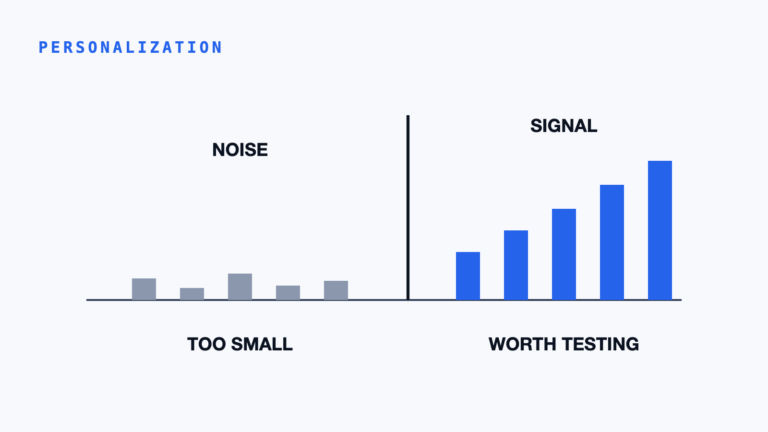
Most teams personalize the wrong thing first, usually because a tool made a feature technically possible rather than because the data showed a meaningful difference worth acting on. Real personalization is adapting what a visitor sees based on what is genuinely known about them, extending a shared data view into a more relevant experience for a defined segment, with the same statistical discipline a real experiment would need. That discipline is exactly the difference between relevance grounded in evidence and a gimmick dressed up as sophistication. The Personalize stage of the work only starts once a real, measurable audience difference has been named, not before.
What Data Has to Exist Before Personalization Is Worth Doing?
Personalization depends on a unified view of customer data. Without it, a team is guessing at segments instead of observing them, which tends to produce a personalization effort that looks sophisticated and changes nothing. The signal that a business is ready is simple: customer data already exists, but every visitor still sees the identical experience, or different audiences behave differently while the site fails to reflect any of that difference. When a personalization tool sits in the stack disconnected from a measurable use case, that is the surest sign the technology arrived before the readiness did, and it will not fix itself by adding more rules.
How Do Personalization Findings Connect Back to Conversion Work?
Personalization compounds with conversion rate optimization rather than replacing it, and the two feed each other in both directions. Segment-level findings from a CRO diagnosis often reveal exactly which audience deserves a different experience, while a running personalization program in turn surfaces new segment behavior an ordinary CRO diagnosis alone would never catch, because it only appears once the segment sees a different version. Treating these as two separate efforts, running in parallel with no shared measurement plan, is how a team ends up with a personalization program nobody can prove is helping the number that matters.
What to do next
Work through this short checklist before shipping a first personalized experience:
- Find one audience segment whose real behavior diverges meaningfully from everyone else.
- Confirm the customer data needed to reliably detect that segment already exists.
- Build exactly one personalized change for that one segment, nothing broader yet.
- Measure it with the same rigor a real experiment would use, not a gut-feel read.
- Only add a second personalized segment once the first one has a proven, measured result.
Start a conversation about your personalization roadmap once you have that one real segment identified. That is the point where relevance replaces a guess.